


 0
0 Free shipping within Singapore on orders above $50 📦 | Join our mailing list to enjoy 15% OFF your first order REGISTER NOW
Singapore’s warm and humid weather can further contribute to oily skin and clogged pores, making it important to adopt a skincare routine that supports healthy, acne-prone skin.
Why Does Acne Occur?
Acne develops when hair follicles become blocked with excess oil, dead skin cells, and debris. This creates an environment where acne-causing bacteria can multiply, triggering inflammation and the formation of pimples.
Several factors can increase the likelihood of developing acne, including:
Helpful Tip: Choose a cleanser formulated for oily or acne-prone skin that effectively removes excess oil without leaving your skin feeling tight or dry.
Clinskin’s solution: Anti-bacterial Face Wash
Benefits: Removes excess oil and impurities while minimizing acne-causing bacteria to support clearer-looking skin.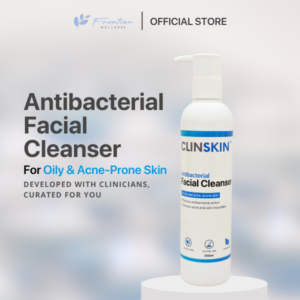
Many people mistakenly believe that moisturisers can make acne worse, especially if you have oily skin. In reality, maintaining adequate skin hydration is an important part of acne prevention.
When the skin becomes dehydrated, it may compensate by producing even more oil. This excess oil can contribute to clogged pores and breakouts.
Look for lightweight, oil-free, and non-comedogenic moisturisers that hydrate the skin without blocking pores.
Helpful tip: Moisturise immediately after washing your face to lock in moisture and keep the skin hydrated.This helps to protect the skin barrier better, and improve the skin’s tolerance to acne treatments (like salicylic acid, benzoyl peroxide and retinoids) that can cause dryness and irritation.
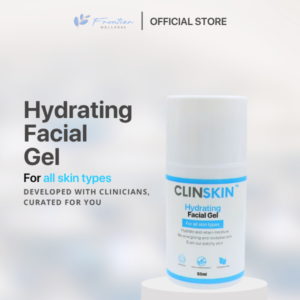
Clinskin’s solution: Hydrating Gel
Benefits: lightweight gel that moisturises and soothes without clogging pores, specially formulated for oily and acne-prone skin.
High-coverage and long-wear foundations, concealers, and primers are designed to adhere more strongly to the skin, and may trap oil and debris within the pores, increasing the risk of breakouts in susceptible individuals.
When shopping for makeup, look for products labelled:
Thorough cleansing helps keep pores clear and may reduce the risk of acne breakouts, especially in individuals with oily or acne-prone skin.
As make-up tools like sponges and brushes can accumulate oil, dead skin cells, bacteria and make-up residue, it is also important to wash them regularly.
Helpful Tip:High-coverage makeup and long-wearing sunscreens can be difficult to remove with a facial cleanser alone.
Use a makeup remover before washing your face to help remove makeup more thoroughly, reducing the buildup of oil, sweat, and residue that may contribute to clogged pores.
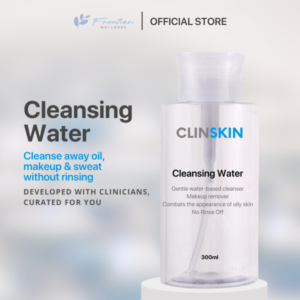
Clinskin’s solution: Cleansing Water
Benefits: A lightweight cleansing water that removes makeup and daily buildup while leaving the skin feeling clean and refreshed. Can also be used throughout the day as no rinse-off is required.
Research suggests that diets high in refined sugars and high-glycaemic foods may contribute to increased acne severity. Excessive consumption of dairy products has also been linked to acne in some people.
To support overall skin health, aim for a balanced diet that includes:
Using harsh scrubs, exfoliating brushes, or multiple exfoliating products at the same time can damage the skin barrier and cause irritation.
Signs of over-exfoliation include:
Instead of aggressively scrubbing your skin, focus on a gentle and consistent skincare routine that supports long-term skin health.
Salicylic Acid: Helps dissolve excess oil and dead skin cells. It is particularly useful for managing blackheads and whiteheads.
Benzoyl Peroxide: Helps reduce acne-causing bacteria while also decreasing inflammation and preventing blocked pores.
Retinoids (Adapalene): Help normalise skin cell turnover, preventing the buildup of dead skin cells that can lead to clogged pores.
When introducing active ingredients into your skincare routine, start gradually and follow the product instructions carefully to minimise irritation.
When Should You Seek Medical Treatment for Acne?
While mild acne can often be managed with appropriate skincare, moderate to severe cases often require medical treatment.
Consider speaking to a doctor if:
Early treatment can help prevent permanent scarring and improve long-term outcomes.
